28/10/2026 - Renato Malaman
In the Po Delta, innovation and collaboration are the keys to overcoming the blue crab challenge
In Gorino Ferrarese, the “Sirio” cooperative has developed an effective protection system to save clam farms from the voracious invasive crustacean. “Mancin Nadia” is also contributing to the project, supporting producers while securing the supplies needed to meet market demand. Meanwhile, together with members of the Cooperativa Cozza di Scardovari DOP, the company is trialling new oyster varieties in the lagoon and creating an innovative product: cooked oysters with partially open shells, sold in trays of four. New ideas and strategies are becoming tools for protecting the economy and environment of a beautiful yet fragile region.
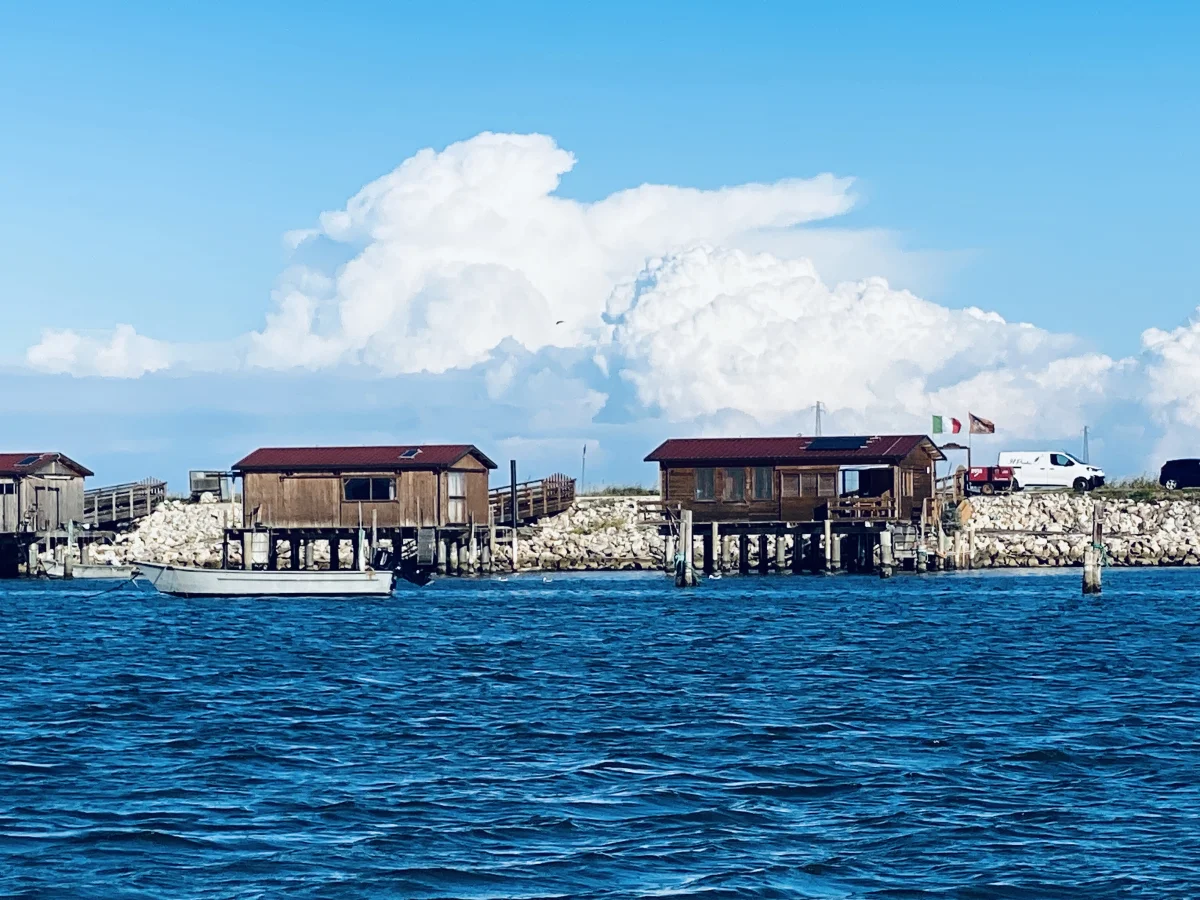
Here is where the challenge unfolds. In Gorino Ferrarese, now known to everyone simply as Gorino, where the land gradually dissolves into the brackish waters of the lagoons and the boundary between farming and fishing has always been blurred, the battle against the blue crab is fought metre by metre, in the mud of the shellfish beds and among the mesh of the nets. Here, in the heart of the Po Delta, where a picturesque pontoon bridge marks the border between Emilia-Romagna and Veneto, the survival of an entire supply chain depends on the ability to protect Manila clam farms. These clams are the “white gold” that has sustained the local economy for at least four decades, now threatened by a predator capable of devouring months of work in a very short time. A formidable, aggressive crustacean that has arrived from far away and can reproduce at an exponential rate.
The response has come from the “Sirio” cooperative, a small family operation that has refused to give up. Five members, four and a half hectares of shellfish farms, and a strategy developed in the field through trials, investment and a considerable dose of determination. Alongside them is “Mancin Nadia”, a seafood processing company based in Rivà, in the province of Rovigo, which has chosen to provide practical support for this pilot project, recognising that safeguarding producers also means protecting its own supply capacity. The cooperative’s clams are, in fact, an important part of the supplies needed to fulfil orders and keep the company’s operations running consistently.
This collaboration goes beyond a straightforward commercial relationship. On one side, shellfish farmers are seeking to protect their stocks and keep their businesses operating; on the other, the processing industry is helping sustain local production that is essential to the entire sector. This economic network demonstrates how, in the face of an environmental emergency, a response can emerge from bringing together different areas of expertise, united by a desire to innovate while maintaining their connection to the region. It means protecting an established activity such as clam farming while introducing highly innovative new ventures, such as oyster farming.
In Gorino, resilience depends on nets and ingenuity
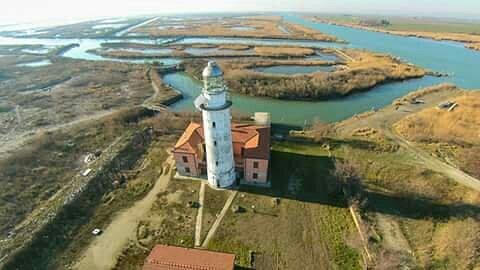
To understand the scale of the challenge, you need to visit the harbour at Gorino, a small fishing village overlooking the waters of the Delta on the Ferrara side. From here, along a path leading to the Lanterna Vecchia, an old lighthouse now used as a wildlife observation point, the view takes in the Isola dell’Amore and the expanses of lagoon that make this landscape unique. It is an environment of outstanding ecological value, protected by a park, as is the part of the Po Delta that lies within Veneto. But it is also a place where the balance between fresh and salt water sustains productive activities requiring knowledge, patience and relentless daily work.
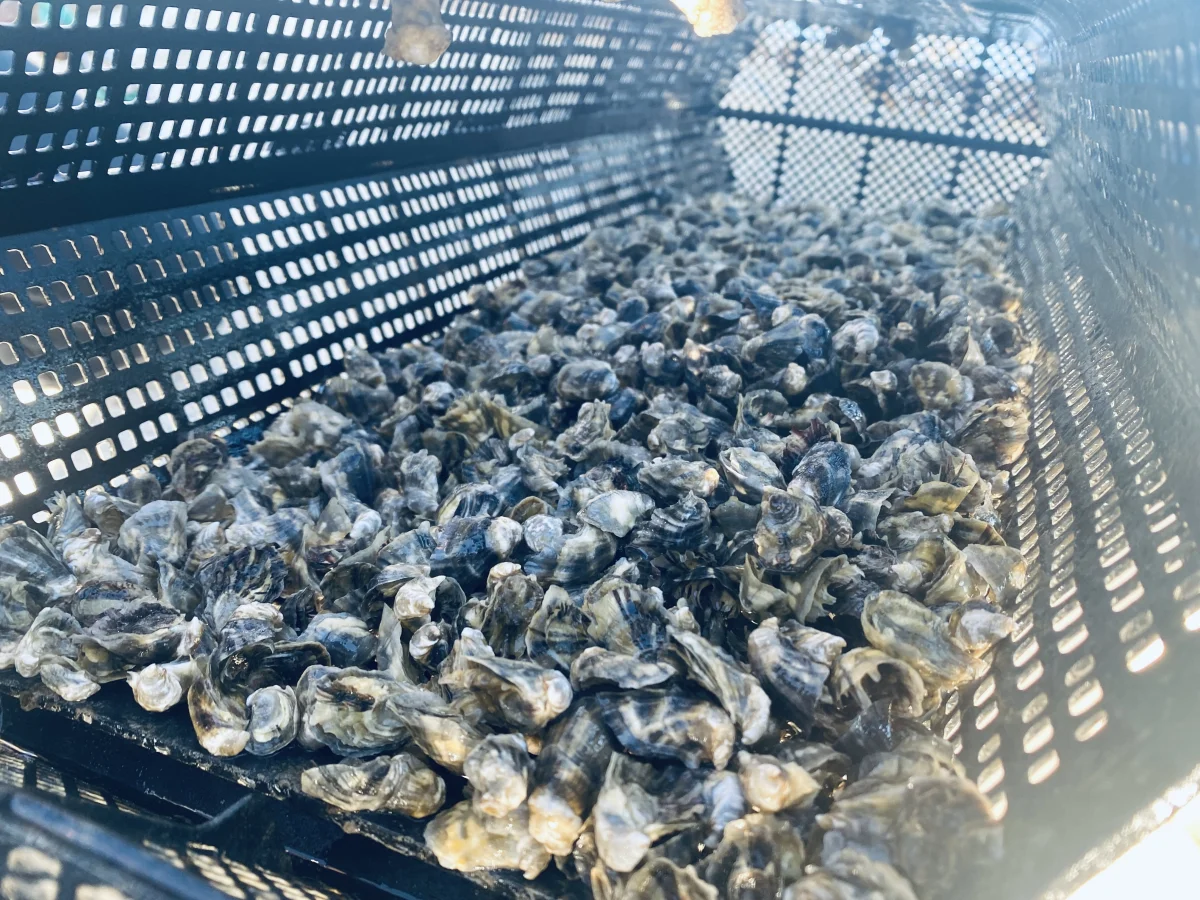
Clam farming, which expanded particularly from the 1990s onwards, had turned these waters into an extraordinary economic resource. Then came the blue crab, an invasive alien species that found favourable conditions and an enormous supply of prey in the shellfish beds. The damage has been severe, leaving hundreds of operators struggling.
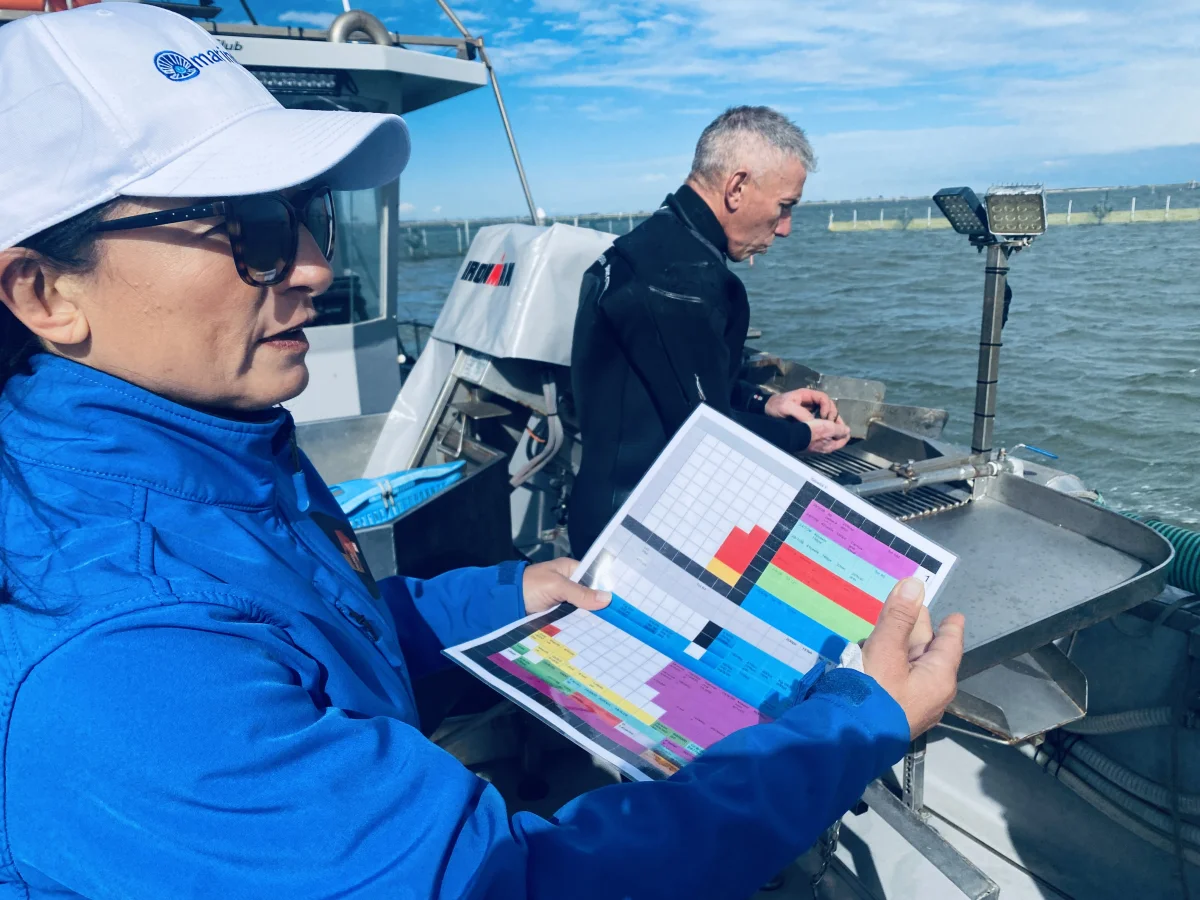
“Until four years ago, it was very simple: you just had to go out to sea,” says Sandra Gianella, who works on the water every day with her husband Alberto Mantovani and their son Marco. “Between Goro and Gorino, there were about a thousand of us fishermen. With this blue crab situation, at least 300 registered businesses have been lost, almost half.”
Her words convey the scale of a crisis that is social as well as productive. For many families, shellfish farming is a tradition passed down through generations, as well as their main source of income. Giving it up means losing a trade, skills that are difficult to replace, and a deep connection with the sea.
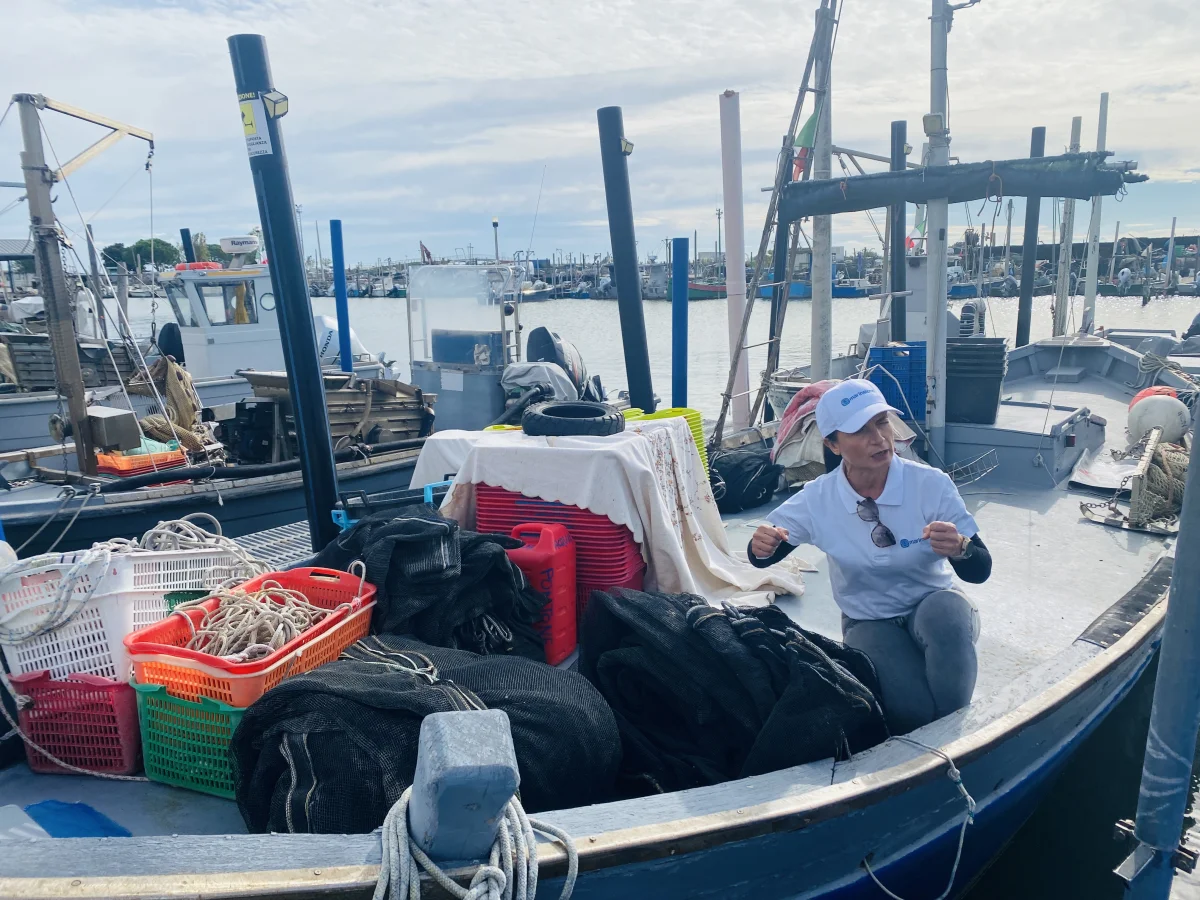
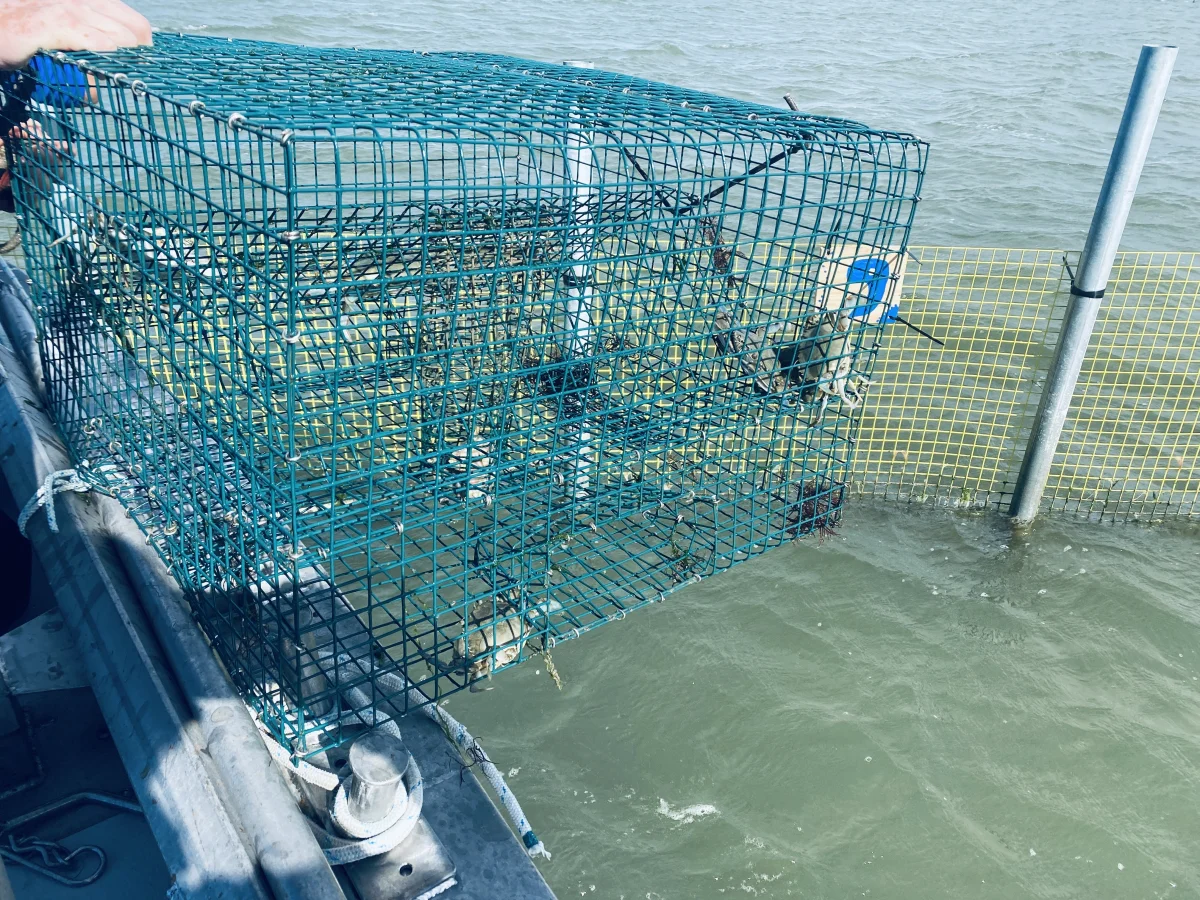
Sandra’s family chose instead to try another approach. Together with the other members, they established the “Sirio” cooperative, turning the need to defend their livelihoods into a testing ground for new solutions. Their approach relies on a system of physical protections that prevent blue crabs from reaching the clams: netting laid over the farming areas, barriers made from very fine mesh, and changes to the seabed, which is raised with sand to make access more difficult for the predator.
“They’re similar to the nets used for harvesting olives, but I make them myself to save money,” Sandra explains, referring to the protective coverings. It is a simple statement that captures the spirit of the initiative: ingenuity, adaptability and careful attention to costs, in a sector where every investment must contend with increasingly narrow margins.
The barriers, however, cannot simply be left unattended. They need to be checked and cleared of encrustations and algae, with regular maintenance requiring time and labour. Protecting the shellfish beds has therefore become a central part of the work, alongside seeding and harvesting. When crabs get too close, they are caught using mullet as bait: a strategy that combines passive protection with direct action against the predator.
The system does not eliminate the hard work or automatically restore the productive conditions of the past, but it allows the cooperative to continue farming clams and maintain a viable business outlook in an extremely difficult environment. The difference lies precisely in having turned the protection of the farms into a structured working method, rather than relying solely on the ability to recover losses after each attack.
Four and a half hectares, €700,000 invested and ten hours of work a day
The determination of the “Sirio” cooperative is also reflected in the figures. “We’ve invested €700,000 in our four and a half hectares,” Sandra says. It is a substantial investment, which has also had to absorb unforeseen setbacks: “We had built a new enclosure, and it collapsed after fifteen days of bad weather. We lost €26,000, but we carried on.”
That is the cost of a production process that now requires resources, maintenance and an incomparably greater commitment than in the past. “We go out to sea every day and harvest fifteen days a month. The rest is all maintenance. Today, all of this costs us 60 per cent more than it did ten years ago. Seeding used to be free; we didn’t need any protection. And we work ten hours a day, whereas two used to be enough.”
Biological growth cycles have also changed. Sandra explains that it normally takes around fifteen months for a clam to reach harvest size; this year, high temperatures have shortened that cycle considerably. Such variability makes planning even more complicated, adding to the uncertainty caused by the blue crab.
The family nevertheless continues to invest in its future. Marco has just passed his boat skipper’s examination, while Alberto, 54, retains the enthusiasm of someone who chose this work as a calling. “I’ve been doing this since I was 15. In summer, we get up at three in the morning; we still do it out of passion. With my son, we’re now in the fourth generation.”
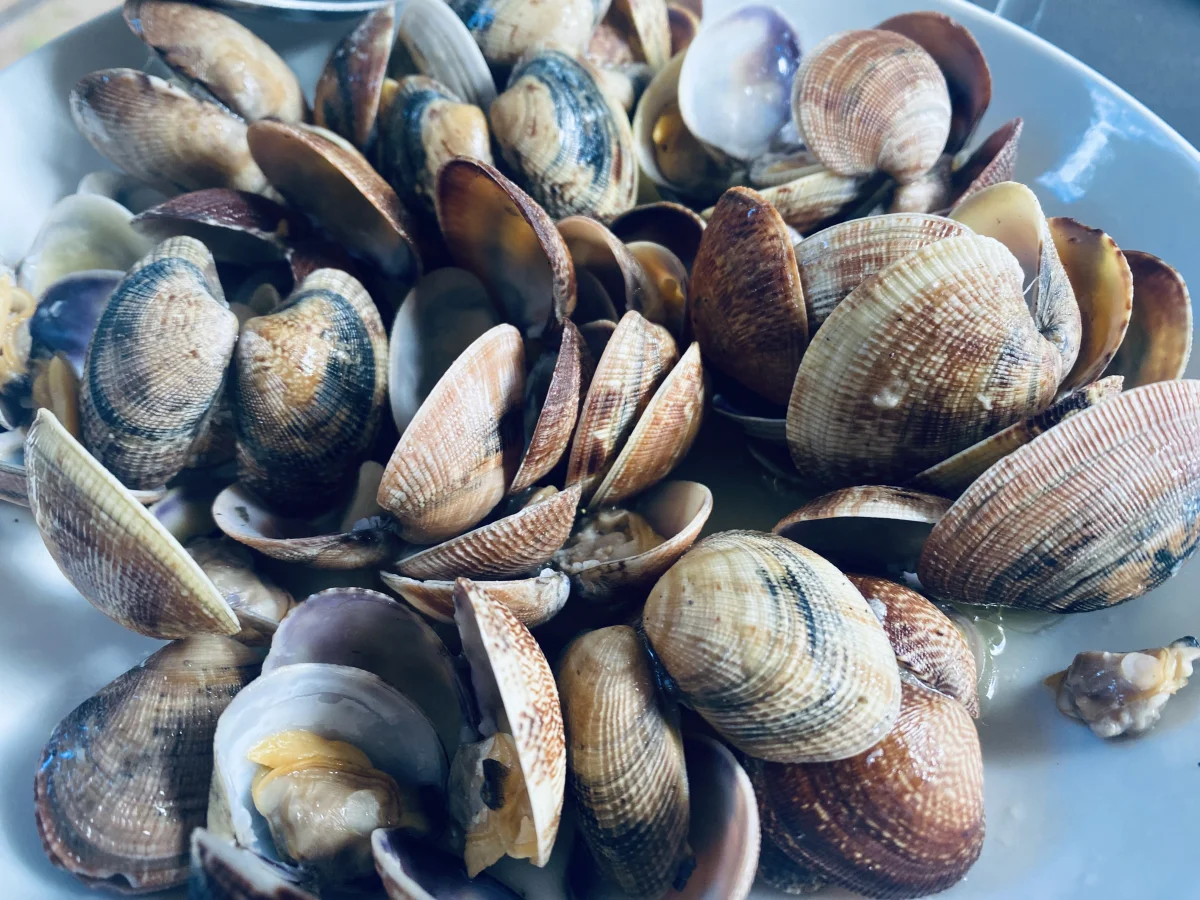
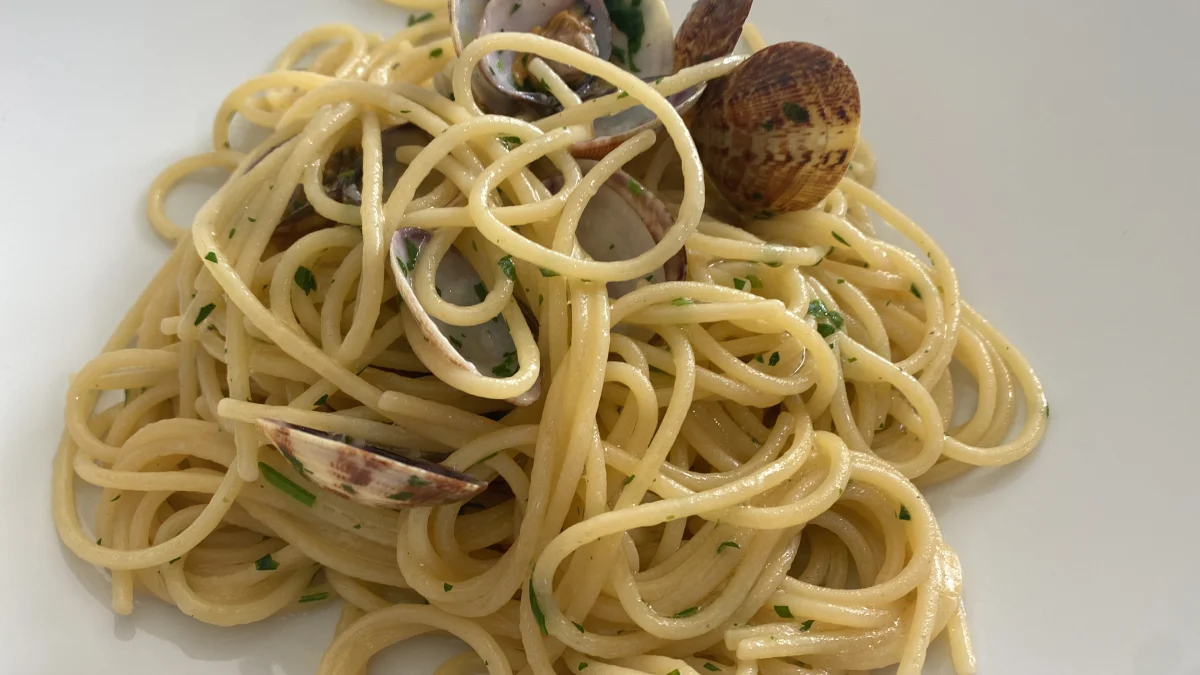
Passion alone cannot offset rising costs and a shrinking market. “Of course, we’ll never return to the quality and prices we had before; consumption has fallen by 60 per cent,” Sandra admits. Yet continuing to produce also means preserving a wealth of knowledge and keeping alive a supply chain involving farmers, cooperatives, processors and distributors. It even extends to local restaurants: step off the boat, cross the road, and you reach the historic “Uspa” trattoria, named after the nickname of its founder, Ugolino Passarella, where, unsurprisingly, the signature dish is spaghetti with clams.
It is within this broader economic perspective that the collaboration with the long-established “Mancin Nadia” company takes on its full significance. The availability of local produce can no longer be taken for granted. For a company processing large quantities of fish and shellfish every day, access to production that can withstand the emergency is a practical necessity. Supporting the “Sirio” cooperative’s project therefore means helping protect a productive activity while also working to secure the clams needed to meet customer demand.
In this case, a short supply chain is more than a principle to highlight in communications. It becomes a practical tool for reducing supply uncertainty, maintaining direct relationships with producers and sharing some of the risks associated with the region’s difficulties.
From clams to oysters: diversifying to look ahead
“Mancin Nadia” is pursuing a strategy that goes beyond protecting clams. The company also collaborates with members of the Cooperativa Cozza di Scardovari DOP to farm new oyster varieties, combining experimentation, diversification and new product development. This is confirmed by Marco De Agostini, one of Nadia Mancin’s three sons, who now closely oversees the business on behalf of the family.
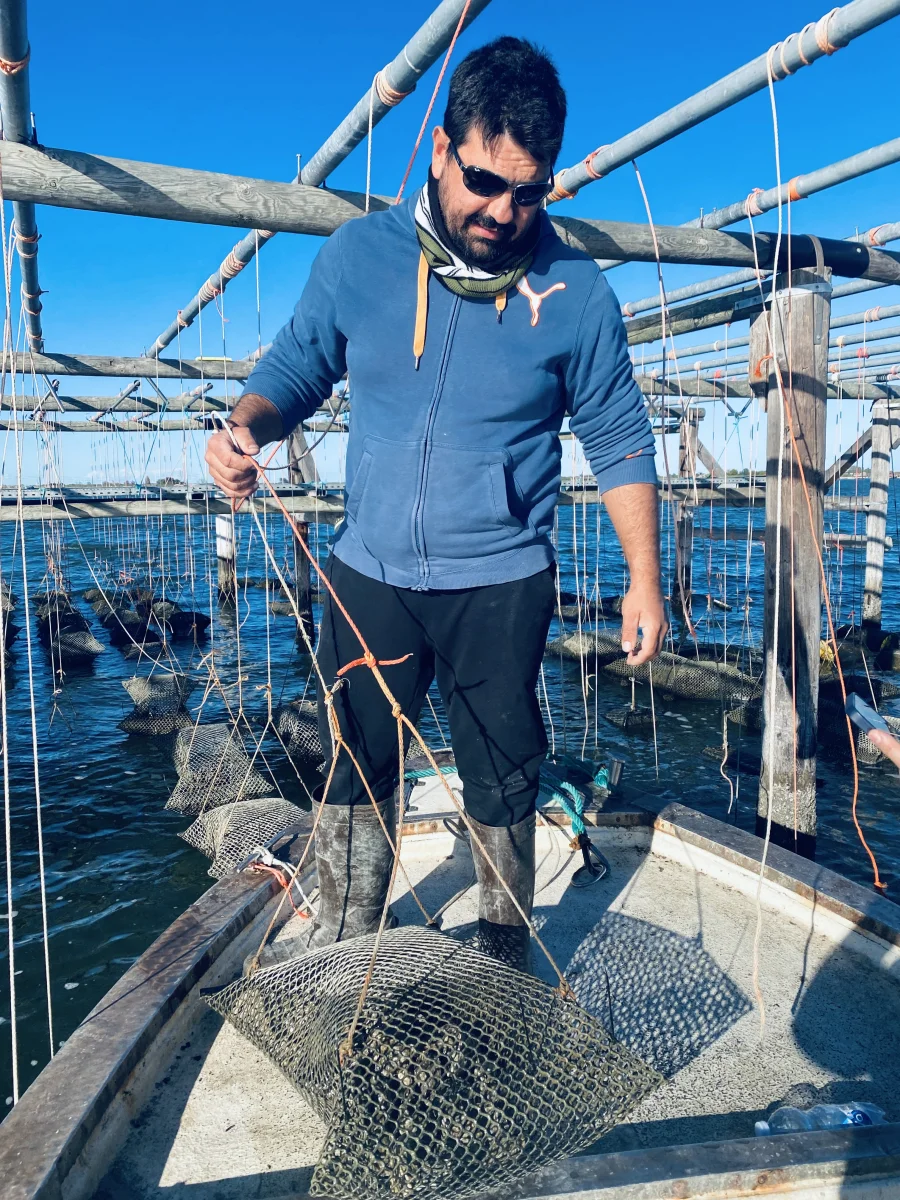
In Scardovari, on the Veneto side of the Delta, mussel and oyster farming offer an important opportunity to broaden production and compete in an increasingly demanding market. Producers have developed farming systems that adapt to the lagoon’s environmental conditions, testing techniques and equipment that allow them to manage the shellfish’s exposure to water, air and sunlight. Protecting stocks and improving farming methods thus become central to ensuring quality and continuity of production.
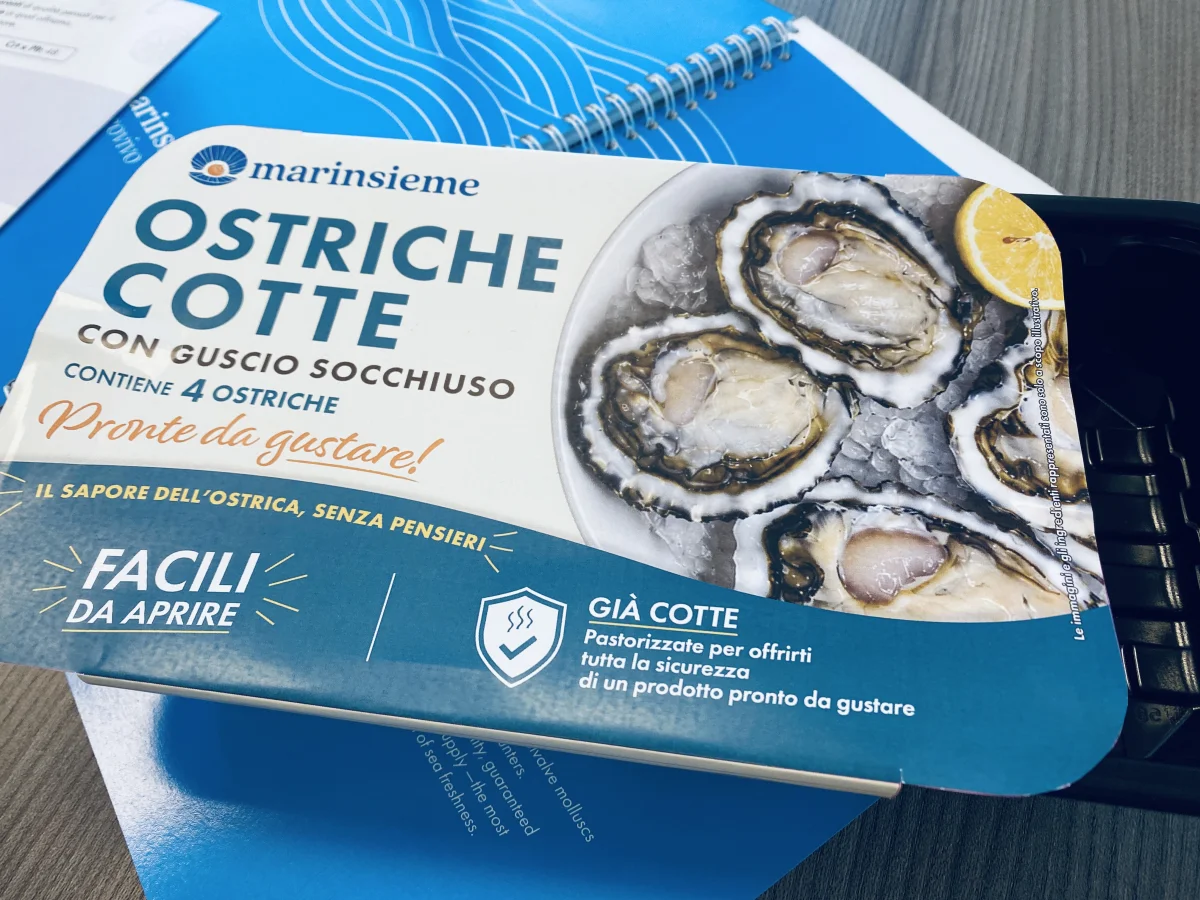
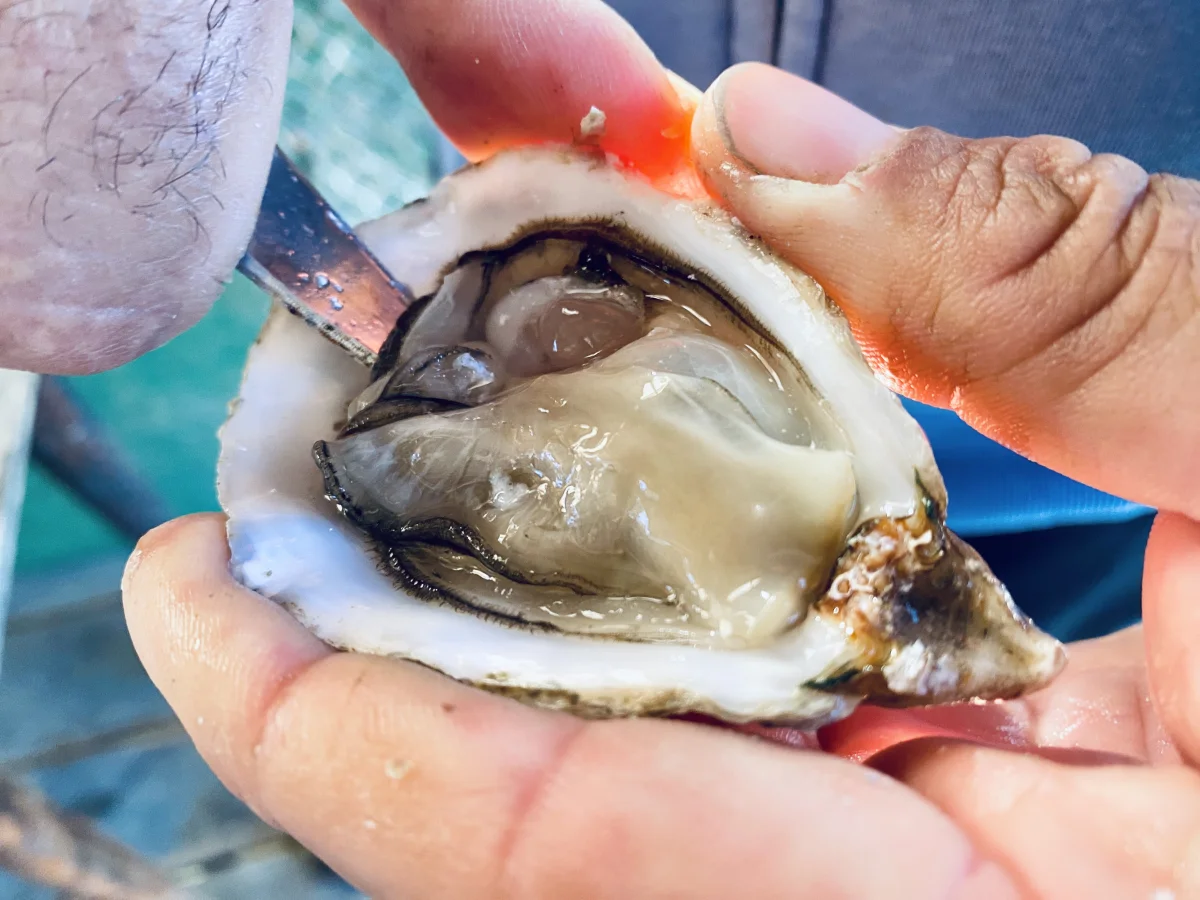
This is the setting for the collaboration with “Mancin Nadia”, which focuses not only on producing new oysters using new and safer farming methods, but also on adding value through innovative processing. The most tangible result is a cooked oyster with a partially open shell, offered in trays of four: a format designed to simplify handling and make the product more convenient for tastings, including informal occasions or directly aboard boats used for lagoon excursions.
Pasteurisation makes it possible to develop a different way of enjoying oysters compared with the traditional product, which requires experience and care when opening the shell. Packaging them in portions of four also provides an easy-to-handle solution for distribution and tastings, expanding the occasions on which the product can be offered.
This is about more than adding a new item to the company’s catalogue. It is about connecting the work of farmers with consumer needs. New processing technologies make it possible to explore different ways of consuming the product, while collaboration with producers maintains the connection with the raw material and the region it comes from.
Diversification, in this sense, complements established production, creating commercial opportunities and new prospects for lagoon businesses. Clams, mussels and oysters thus become parts of a more varied system, better able to respond to difficulties affecting any one type of farming.
Innovation, tradition and sustainability within the same supply chain
Experimentation has long been part of the history of “Mancin Nadia”. Rooted in traditional seafood preparations, the company has gradually expanded its activities, combining artisanal expertise with processing technologies. Today, it processes around 15 tonnes of fish a day and works within a supply chain involving local producers, depuration facilities and distributors.
Another part of this system is M.Gi.B, a facility specialising in the depuration of mussels and clams, which also markets products under the Frescovivo brand. Following the serious fire that devastated the facility in 2023, operations resumed using temporarily rented premises, maintaining the company’s connection with the market.
The recovery also demonstrated the ability to work together and protect jobs. A generational transition has accompanied a development path in which innovation and sustainability have become priorities, with investments including the installation of photovoltaic panels with a capacity of 540 kilowatts.
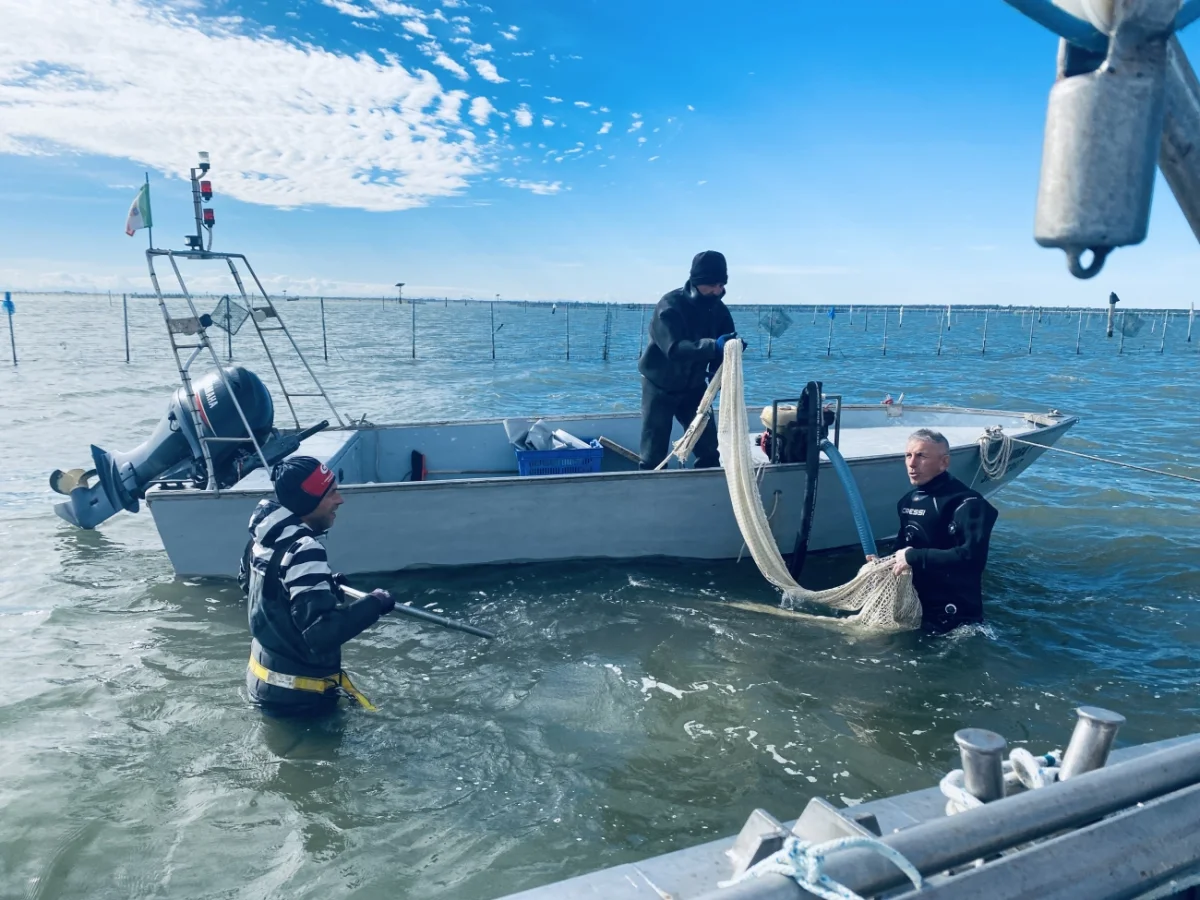
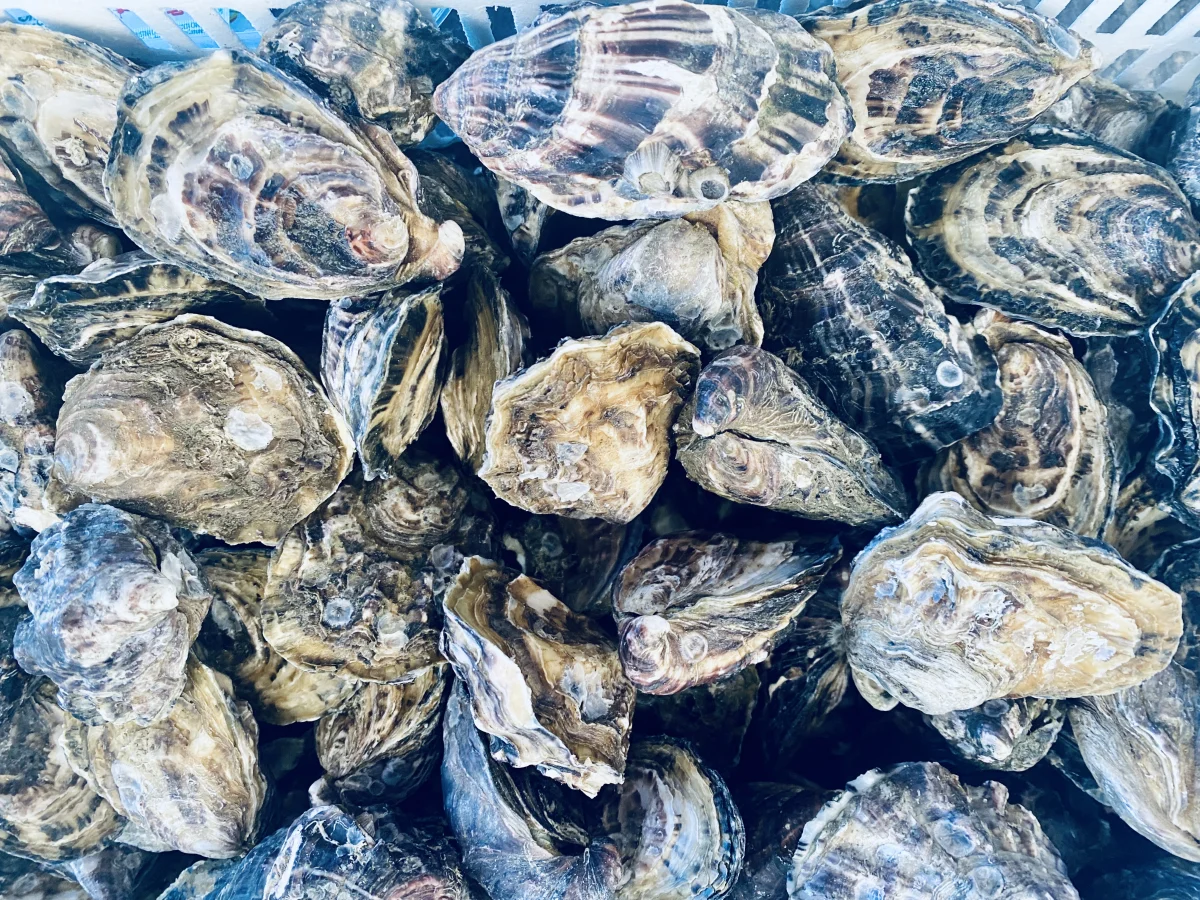
From oysters, we return to clams; from Scardovari (pictured: one of the oyster farmers cultivating the new French variety), we return to Gorino. This same focus can also be seen at producer level, on a different scale, in the work of the “Sirio” cooperative: protecting farms, limiting losses and using solutions built around producers’ real needs means seeking a balance between economic sustainability and resource management. There is no single solution to tackling the blue crab, but experience gained in the field can offer valuable guidance for making shellfish farming more resilient.
The challenge also involves bringing different areas of expertise into dialogue. Those working on the water understand the predator’s behaviour and the characteristics of the shellfish beds; those processing the product can identify new commercial opportunities; and those responsible for depuration and distribution help ensure that the raw material reaches consumers in the required condition. Collaboration among these participants makes it possible to share knowledge, strengthen supplies and enhance the value of products that, on their own, would be more exposed to market fluctuations.
The Delta’s wealth is also protected at the table
The value of this production network becomes even clearer when viewed against the landscape in which it operates. The Po Delta is a mosaic of lagoons, sheltered bays, managed fishing wetlands, reed beds, rice fields, pine forests and beaches. It is an environment shaped by human activity through land reclamation, embankments, canals and water management systems. A delicate balance sustains both an internationally recognised natural heritage and an economy that has always been tied to fishing and shellfish farming.
The blue crab crisis has highlighted the interdependence of environmental protection and the economic survival of local communities. When one type of farming struggles, the effects extend beyond the individual fisherman: less produce is available to processing companies, associated businesses weaken, and it becomes more difficult to preserve a productive tradition that can also attract visitors.
For this reason, alongside experimentation on the farms and product innovation, seafood tourism and fishing tourism experiences are becoming increasingly important. Boat trips, tastings at production sites and cycle routes along the embankments allow visitors to discover fishermen’s work first-hand and understand just how much effort goes into bringing a clam, mussel or oyster from the Delta to the table.
Slow tourism can therefore become an ally of the supply chain, offering opportunities for additional income and helping communicate the value of local produce. Food becomes connected to the landscape, the product to the trade, and tasting to an understanding of the environment it comes from.
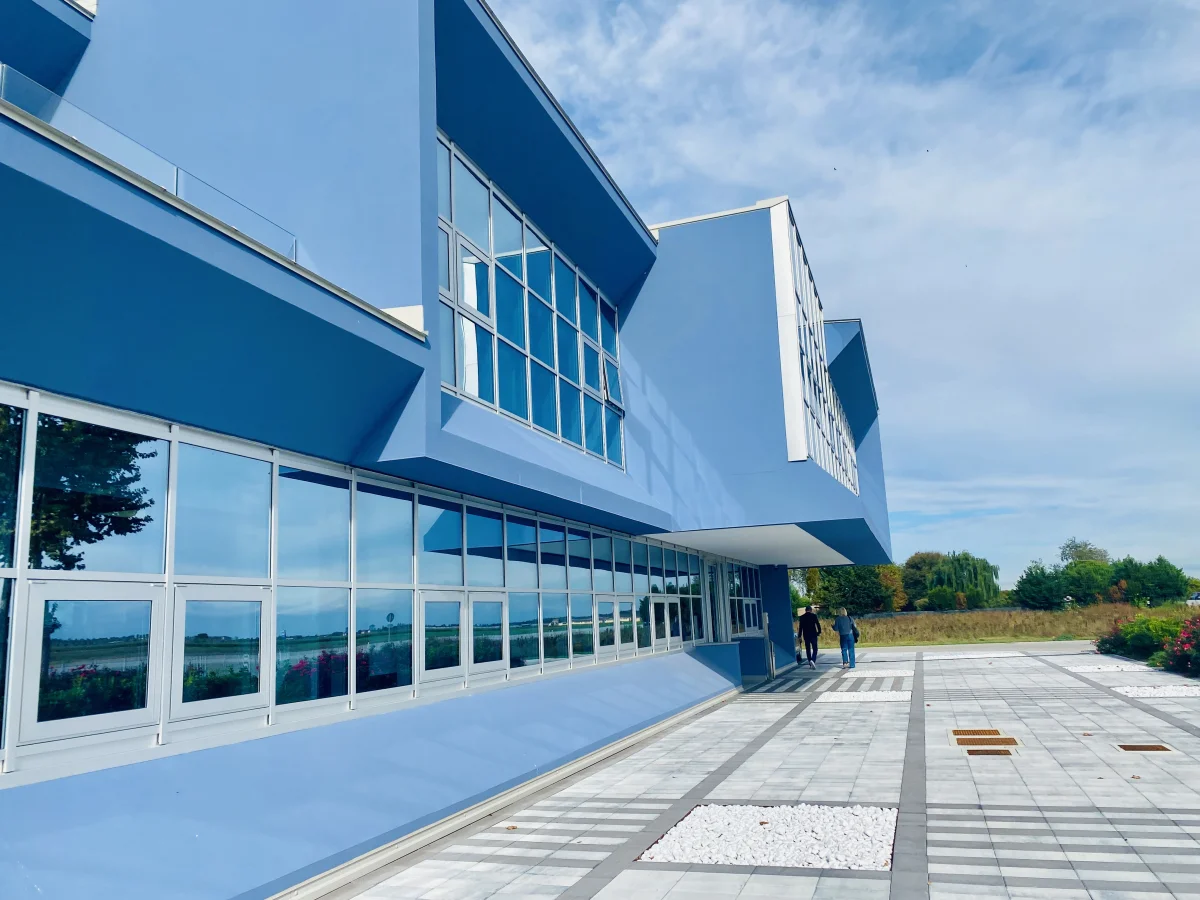
In Gorino, the “Sirio” cooperative shows that even a small operation can respond to a profound crisis through ingenuity and experimentation. By supporting its project and collaborating with Scardovari producers to develop new oyster varieties and processed products, “Mancin Nadia” (pictured: the company’s headquarters in Rivà) demonstrates how innovation can spread throughout the supply chain, creating opportunities beyond the boundaries of a single business.
These are different experiences, united by the same conviction: the Delta’s future cannot depend on a single product or one technological solution. It requires protecting what already exists, exploring new paths and strengthening relationships among those who farm, those who process and those who bring products to market.
In a region where water has always been both a resource and a threat, working together means building a practical form of resilience. To save its “white gold”, make room for the lagoon’s new specialities, and safeguard an environmental and economic heritage that belongs not only to those who work there, but to the entire Po Delta.
Do you want to get in touch with us?
Write to us by filling out the form below.